






The end of section 21 evictions in the UK
The end of Section 21 notices has significant implications for landlords in the UK. Section 21 of the Housing Act 1988 provided a mechanism for landlords to evict tenants without providing a specific reason, commonly referred to as "no-fault" evictions. However, the UK government introduced changes to the law with the aim of improving tenant security and reducing instances of unfair evictions. Here's what the end of Section 21 means for landlords:
- Removal of No-Fault Evictions: With the end of Section 21, landlords can no longer evict tenants simply by giving them a notice without providing a specific reason. Landlords must now rely on valid grounds for eviction as outlined in Section 8 of the Housing Act 1988.
- Strengthened Tenant Protections: The removal of no-fault evictions enhances tenant security and reduces the risk of arbitrary and unfair evictions. It provides tenants with greater stability and the ability to challenge eviction notices if they believe they are unjust.
- Eviction Grounds under Section 8: Landlords seeking to evict tenants must now rely on one or more of the specified grounds listed in Section 8 of the Housing Act 1988. These grounds include rent arrears, breach of tenancy agreement, anti-social behavior, and other valid reasons for eviction. Landlords must provide evidence and follow the appropriate legal procedures to pursue eviction.
- Possession Proceedings: Landlords may need to initiate possession proceedings through the court system if they have valid grounds for eviction under Section 8. This process can be more time-consuming and complex compared to the previous Section 21 process. Landlords should familiarise themselves with the legal requirements and seek professional advice to navigate the eviction process effectively.
- Impact on Landlord-Tenant Relationships: The removal of no-fault evictions may lead to longer tenancies and potentially more stable landlord-tenant relationships. Landlords are encouraged to establish good communication, maintain properties to a high standard, and address tenant concerns promptly to foster positive relationships with their tenants. This includes addressing problems with disrepair in the property, which can lead to legal action by the tenant.
- Eviction Alternatives: Landlords are encouraged to explore alternative means of resolving disputes or addressing issues with tenants before resorting to eviction. Mediation, negotiation, and mutually agreed-upon solutions can help maintain positive landlord-tenant relationships and minimise the need for eviction.
It's important for landlords to stay updated on any changes to landlord and tenant legislation in the UK, as non-compliance can lead to legal consequences. Seeking legal advice and understanding the specific requirements and procedures in their region is crucial for landlords to navigate the evolving landscape and ensure compliance with the law.
[edit] Related articles on Designing Buildings
Featured articles
Check out some of the best features and news from Designing Buildings as well as key stories from around the web.

Why construction can't afford to ignore the skills gap.
Building Safety Regulator, 19 August

Gill Kernick appointed Independent Chair of Residents’ Panel.
Connecting knowledge, technology and conservation
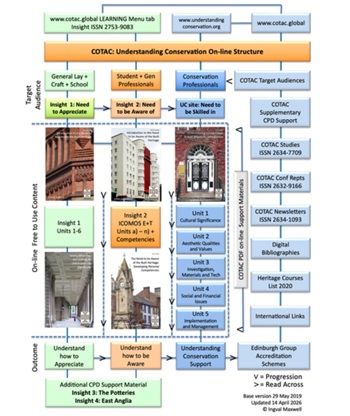
Building competence for the future of built heritage.
Building Regulations and Building Safety Act

CIOB publishes free advice for non-domestic clients.

Building Safety Newsletter from MHCLG.

An extraordinary record of steel engineering worldwide.

Households living near new pylons to save on bills.

ECA warns growth must not outpace grid capacity or skills.
The role of the client and decision making

CIOB response to built environment professions call for evidence.
Construction's sustainability reporting revolution

Tracking upfront embodied carbon with digital tools.
ECA welcomes procurement reforms

Public spending must back British jobs and skills.
Campaigning for Edinburgh: the Cockburn Association 1875-2049

The role of the civic voice in protecting character. Book review.